Halar Coating on Floats About
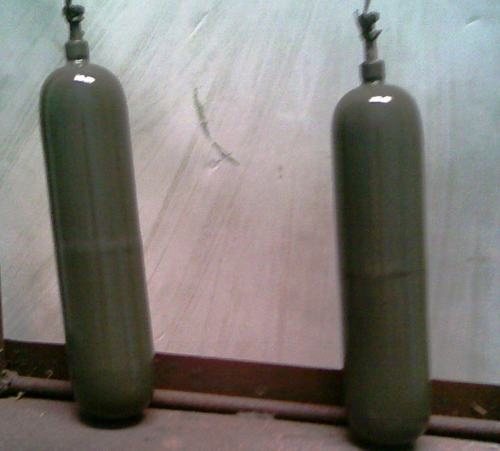
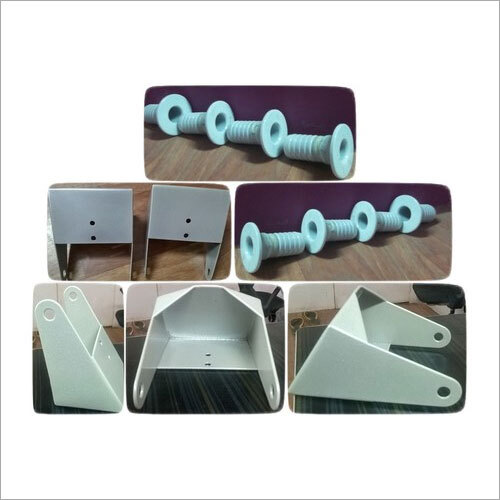
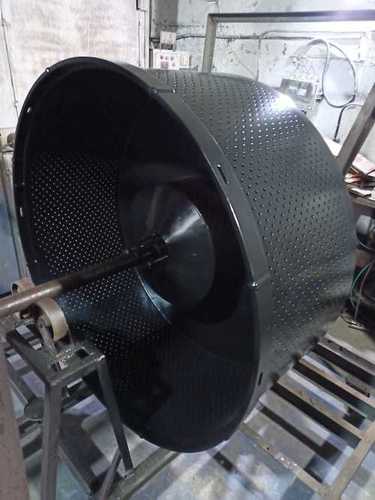
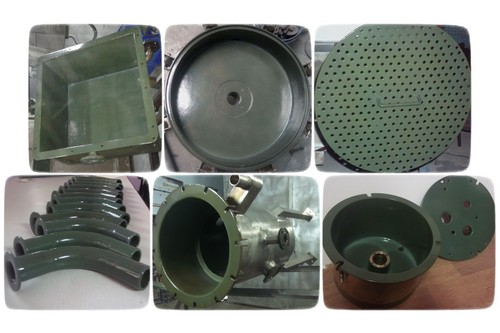
HALAR ECTFE COATING ON FLOATS
HALAR COATING (ECTFE)
HALAR ECTFE is a melt processable fluropolymer from Solvay Solexis (Italy). It possesses a unique combination of properties as a result of its chemical structure 1:1 alternating copolymer of ethylene and chlorotrifluoroethylene.
HALAR fluropolymer offers excellent chemical resistance and is not effected by aromatic, aliphatic & chlorinated solvents, it also doesnt react with Bases, Salts , Strong bases, Salt water, Hydraulic fluid , Lube oil , De ice fluid , Strong acids , Strong oxidants , UV light , Petroleum, Fungus. It has a little effect on Esters & Keytones, No known solvent dissolves or stress cracks the polymer at temperatures up to 120 deg C ( 250 F )
HALAR fluropolymer has good electrical properties, broad use temperature from cryogenic to 160 deg C (310 F) and meets the requirements of the UL 94 V- 0 vertical flame test in thickness as low as 7 mils. It is a tough material with excellent impact strength over its broad use temperature range. HALAR ECTFE also maintains useful properties on exposure to cobalt 60 radiation at dosages of 200 megarads. It is one of the best fluropolymer for abrasion resistance.
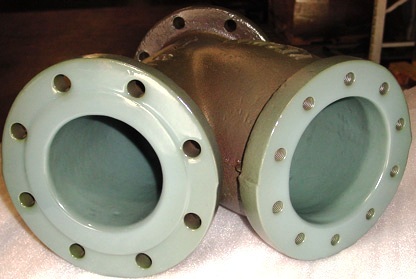
Superior Protection for Corrosive EnvironmentsFloats coated with Halar offer outstanding durability and corrosion protection in the harshest industrial settings. The advanced electrostatic spray and heat cure technique delivers a robust, glossy coating that resists chemicals and environmental aggression, making these floats ideal for use in corrosive fluid tanks and process industry applications.
Reliable Electrical Insulation and Chemical ResistanceFeaturing high dielectric strength, the Halar coating effectively insulates electrical components. Its excellent resistance to acids, alkalis, and solvents ensures reliable performance in challenging chemical process environments, safeguarding both equipment and operational safety.
Minimal Maintenance with Strong AdhesionThis maintenance-free surface provides a strong bond to the substrate, ensuring the coating remains intact even under fluctuating conditions. With a typical thickness of 200500 microns, Halar coating delivers long-term protection and reduces operational downtime, making it a cost-effective solution.
FAQs of Halar Coating on Floats:
Q: How is the Halar coating applied to the floats?
A: The Halar coating is applied using an electrostatic spray process, followed by a heat cure to achieve a glossy and highly durable finish.
Q: What types of chemicals does the Halar coating resist?
A: Halar-coated floats offer excellent resistance to a wide range of acids, alkalis, and solvents, ensuring protection in aggressive chemical storage and processing environments.
Q: When is it suitable to use Halar-coated floats?
A: Halar-coated floats are recommended when equipment is exposed to extreme temperature variations (from -40C to 150C), corrosive fluids, and demanding industrial conditions.
Q: Where are Halar-coated floats commonly used?
A: These coated floats are typically used as level sensors in corrosive fluid tanks, particularly within the process industry and areas where chemical resistance is essential.
Q: What are the benefits of using Halar coating on floats?
A: Key benefits include outstanding corrosion protection, high dielectric insulation, strong adhesion, and extremely low water absorption, resulting in a maintenance-free, reliable solution.
Q: Is the Halar coating compliant with regulatory standards?
A: Yes, the coating complies with RoHS requirements, and FDA compliance is available upon request to meet industry-specific regulatory needs.
Q: What is the typical coating thickness and its impact on performance?
A: The Halar coating thickness ranges from 200 to 500 microns, providing a robust barrier against corrosion and maintaining mechanical strength and integrity in aggressive environments.






 Send Inquiry


 Send Inquiry
 Send Inquiry
 Send SMS
 Call Me Free


