Xylan Ptfe Coating For High Pressure Application About
Xylan PTFE Coating for High Pressure Application
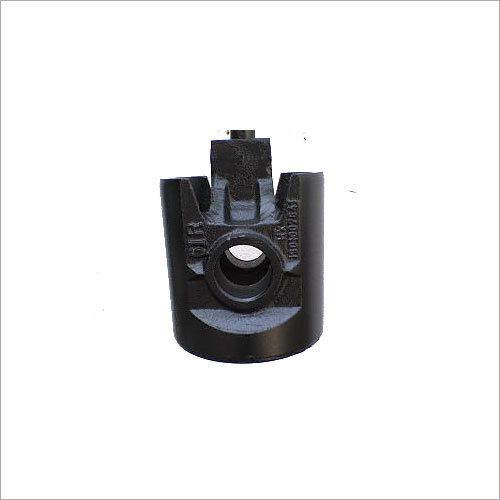
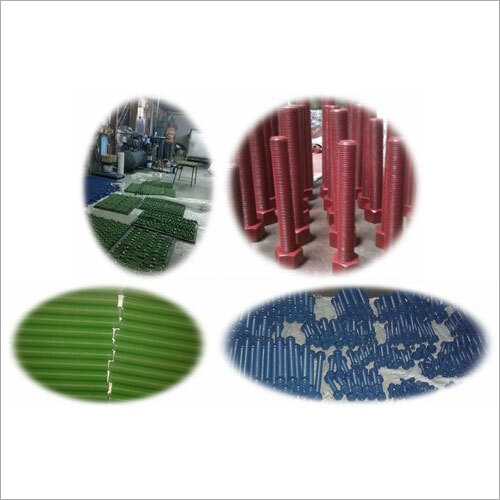
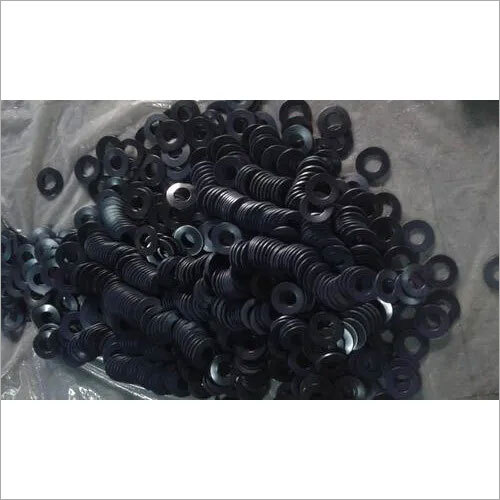
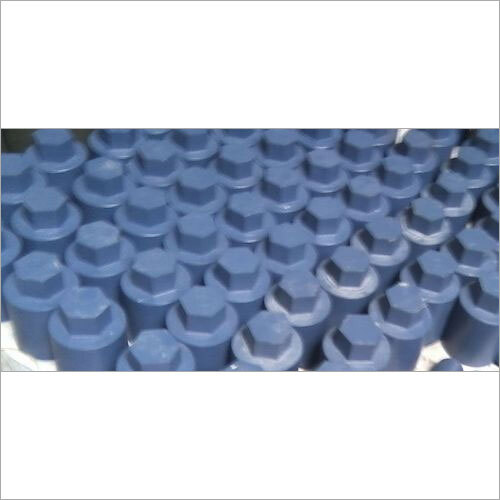
Polymech Engineering is a known name in the industry for providing the best quality Xylan PTFE Coating for High Pressure Application by the use of advanced technology and skilled professionals. Xylan can be perfect for adhesion to surfaces that do not readily accept other PTFE coatings. It can provide lubrication and control friction to the component. As a heat-resistant, wear-resistant material, it can protect your component from corrosion also and allow for nonstick and release properties.
Xylan 1052
Xylan 1052 provides strong bonding lubrication for products of low-speed wear applications. Furthermore, this dry-film lubricant is also able to withstand extreme heat up to 550 degrees Fahrenheit and high pressure environments.
Colors
Other Details
- It contains molybdenum disulphide as well as PTFE
- It was formulated for extreme pressure applications
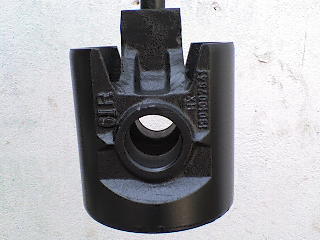
- Typical uses are normally very high load, low velocity applications such as steel horse tensioning chucks, bridge expansion pads
Note: All the statements, information and data presented herein are believed to be accurate and reliable and are being described as mentioned by Whitford Worldwide ltd for Xylan in their Design Guide. Henceforth we make no warranties; guarantee or responsibility of any kind of expressed or implied and assumes no liability in connection with the use of this information.
Customer must test for application suitability.
Superior Protection in Harsh EnvironmentsXylan PTFE Coating stands out for its outstanding durability and resilience under high-pressure conditions. Used extensively in oil & gas, automotive, and aerospace industries, it safeguards critical components from wear, corrosion, and chemical exposure. This coatings excellent performance helps extend equipment lifespans and reduce maintenance costs.
Application and Surface PreparationTo achieve optimal results, metals must undergo abrasive blasting before applying Xylan PTFE Coating. This crucial step ensures strong adhesion and a consistent, smooth non-stick finish. The coating is then oven-cured to secure its properties, making it ideal for high-pressure use.
Safety and Environmental ConsiderationsXylan PTFE Coating is non-toxic after curing and maintains low VOC levels, addressing health and environmental concerns. It is non-flammable post-application, making it a safe choice for various facilities. With a 12-month shelf life, storing the product in a cool, dry space is recommended.
FAQs of Xylan Ptfe Coating For High Pressure Application:
Q: How is Xylan PTFE Coating applied to metal surfaces?
A: Before application, metallic surfaces should be prepared using abrasive blasting to enhance adhesion. The coating can then be applied using standard techniques such as spraying, followed by oven curing to ensure a durable, uniform finish.
Q: What industries benefit from using Xylan PTFE Coating for high pressure applications?
A: Industries such as oil & gas, automotive, aerospace, and valve manufacturing benefit significantly from Xylan PTFE Coating, as it provides superior chemical and corrosion resistance alongside strong performance under high pressures and temperatures.
Q: When should Xylan PTFE Coating be used in high-pressure environments?
A: Xylan PTFE Coating is ideal for use whenever equipment or components are exposed to high pressures, corrosive chemicals, or extreme temperatures up to 260C, where reliable protection and reduced friction are essential.
Q: Where should unopened Xylan PTFE Coating be stored to maintain its effectiveness?
A: Unopened containers should be stored in a cool, dry place to preserve the coatings quality and maintain its 12-month shelf life.
Q: What is the process to ensure proper curing of Xylan PTFE Coating?
A: After applying the coating, it must be oven-cured according to the manufacturers guidelines. Proper curing is crucial for achieving the desired mechanical and chemical resistance properties.
Q: What are the key benefits of using Xylan PTFE Coating in harsh industrial settings?
A: Key advantages include excellent corrosion and chemical resistance, a low friction finish, non-stick properties, high-pressure and temperature tolerance, and strong adhesion to metallic surfaces, all contributing to longer equipment life and improved operational reliability.






 Send Inquiry


 Send Inquiry
 Send Inquiry
 Send SMS
 Call Me Free


